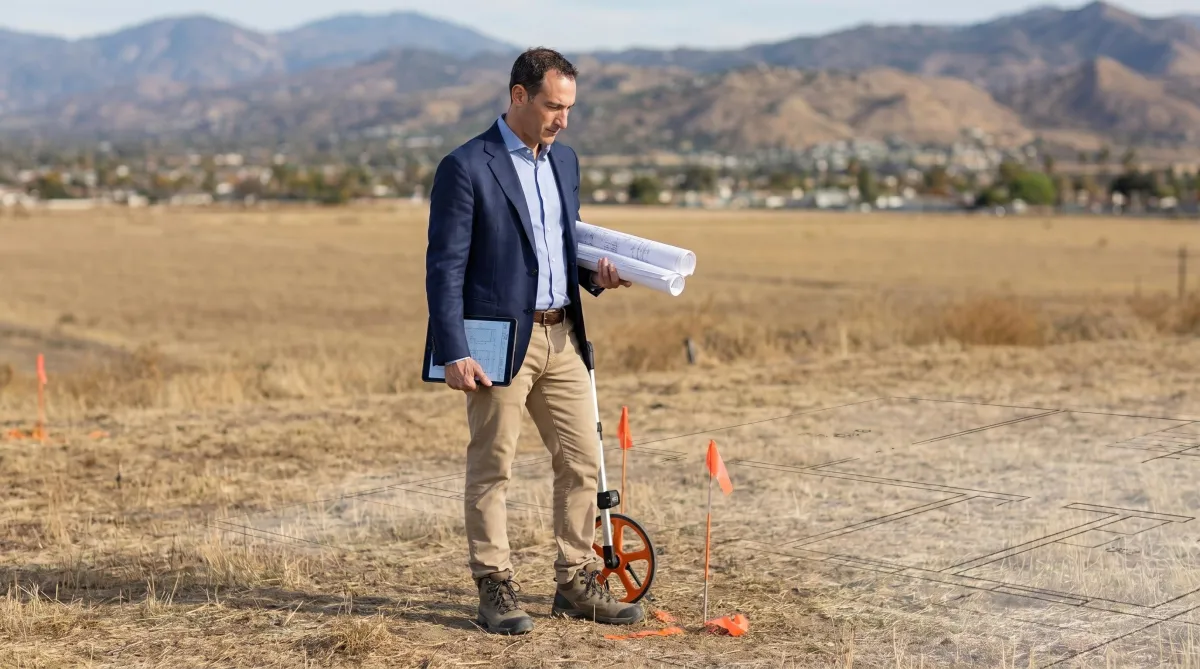
How to get your entitlements: policy issues and environmental issues EXPLAINED in Development ft. Jeremy Krout
How to Evaluate Land, Risk, and Feasibility in Affordable Housing Development
If you’ve ever looked at a piece of land and thought:
“Can I build affordable housing here?”
You’re already ahead of most people.
But here’s the reality most developers learn the hard way:
The land is not the deal. The risk is the deal.
On this episode of the Affordable Housing & Real Estate Investing Podcast, Jeremy Krout, President of EPD Solutions, Inc breaks down what actually determines whether a project moves forward or quietly dies.
This conversation matters because most affordable housing projects don’t fail because of financing alone. They fail because of:
Unknown environmental risks
Misaligned zoning or policy
Community opposition
Political changes
Infrastructure limitations
If you’re serious about building, investing, or even just understanding affordable housing development, this is the layer most people never see.
And it’s the layer that decides everything.
What Is Environmental Due Diligence in Affordable Housing Development?
Most people think environmental due diligence is about checking a box.
In reality, it’s about answering one critical question:
“What could stop this project before it even starts?”
Step 1: Understanding the Physical Risks of the Land
Before anything gets approved, developers need to understand what they’re actually building on.
That includes:
Previous uses of the land
Was it a gas station? Industrial site? Agricultural land?
Each one carries different risks.Soil conditions
Contamination, stability, and grading difficulty all affect cost.Biological factors
Endangered species or protected habitats can limit development.Water and drainage
Flood zones, streams, and runoff can reshape the entire site plan.Cultural and tribal considerations
Discovery of artifacts can trigger required consultation and delays.
Why This Matters
Every one of these issues can turn into:
Additional cost
Additional time
Or complete infeasibility
The earlier you identify them, the better your decisions become.
How Do Developers Evaluate a Deal Before Buying Land?
Here’s something most people don’t realize:
Developers rarely have perfect information.
They are making decisions under pressure.
The Real Timeline
According to Jeremy, developers often have:
30 to 60 days for due diligence
Sometimes just days
Occasionally hours before submitting an offer
So the goal is not perfection.
The goal is informed risk.
What Developers Are Actually Looking For
At a minimum, developers are trying to answer:
Is this allowed here?
Zoning and general plan alignmentWill the city support it?
Political and staff alignmentWhat hidden costs exist?
Environmental, infrastructure, or mitigation costsWhat could delay this project?
Community opposition, staffing shortages, elections
A Simple Way to Think About It
You are not underwriting just the land.
You are underwriting:
Time
Risk
Politics
People
And the best developers know that early.
What Environmental Issues Can Kill an Affordable Housing Deal?
Let’s make this real.
Jeremy walks through actual scenarios that developers face.
Example 1: Contaminated Land
A site used to be a gas station.
That means:
Possible underground storage tanks
Soil contamination
Required remediation
That remediation could cost hundreds of thousands or more.
Example 2: Biological Constraints
You discover a protected species on site.
Now:
You may need mitigation land
You may need redesign
You may face delays
Example 3: Noise and Surrounding Uses
Your site is next to a grocery store loading dock.
That means:
Truck noise at night
Resident complaints
Potential design changes
Example 4: Air Quality Concerns
Near a freeway?
You may need:
Air filtration systems
Design changes
Additional costs
The Bigger Lesson
Every issue has a solution.
But not every solution keeps the deal viable.
That’s the difference between a good developer and an average one.
Why Community Opposition Is the #1 Risk Most Developers Ignore
This is where most deals break.
Not because of engineering.
Not because of zoning.
Because of people.
Jeremy makes it clear:
You can solve technical problems with money.
You cannot easily solve people problems.
What Happens When You Skip Community Outreach
You go to a public hearing.
Everything is ready.
Then someone asks:
“What outreach did you do?”
If the answer is weak, the result is predictable:
Delays
Pushback
Revisions
Sometimes denial
Why This Happens
People don’t like surprises.
If they feel ignored, they respond emotionally, not logically.
And that response can stop a project cold.
What Smart Developers Do
They engage early:
Talk to neighbors
Understand concerns
Build relationships
Simple Rule
If you wait until the hearing to meet the community, you’re already late.
How Do You Choose the Right Consultant Team?
This is where execution really starts.
Jeremy emphasizes something most developers overlook:
You are not hiring a vendor. You are building a team.
What Actually Matters
Experience Across Multiple Projects
Not just one type of deal
Not just one city
Understanding the Full Lifecycle
From idea to occupancy
Not just entitlement
Communication Skills
Can they explain risks clearly?
Can they work with cities and communities?
Network Strength
Do they know who to call when issues come up?
Why This Matters
Development is unpredictable.
You will face problems you didn’t plan for.
The only question is:
Do you have the right people to solve them?
What Is the Most Important Skill in Real Estate Development?
You might expect the answer to be technical expertise.
It’s not.
Jeremy explains that technical skills are just the baseline.
The real differentiator is:
Communication.
What That Looks Like in Practice
Being transparent about risks
Asking questions instead of pretending to know
Building trust with stakeholders
Navigating difficult conversations
A Powerful Lesson from the Episode
Early in his career, Jeremy learned:
Trying to sound smart can hurt trust.
Asking honest questions builds it.
Why This Matters for Developers
If you want to move projects forward:
You need engineers
You need consultants
But most importantly, you need relationships
Key Insights & Frameworks
Environmental due diligence evaluates both physical and policy risks
Early analysis helps developers avoid committing to bad deals
Community outreach is one of the biggest drivers of approval success
The best teams think beyond entitlement and focus on execution
Communication and trust determine long-term success in development
Best Quotes from Jeremy Krout
“Don’t forget about the community. They can stop your project.”
“Development is filled with landmines.”
“You can have everything technically correct and still get delayed.”
“It’s not just about getting approval. It’s about getting someone into the building.”
“You don’t need to know everything. Ask better questions.”
Common Questions This Episode Answers
What is environmental due diligence in real estate?
It is the process of identifying risks on a property that could impact development feasibility, cost, or timeline.
Why do affordable housing projects get delayed?
Delays often come from environmental issues, community opposition, regulatory complexity, and political changes.
What should developers evaluate before buying land?
Developers should review zoning, environmental risks, infrastructure, community sentiment, and city support.
Why is community outreach important?
Without early engagement, projects can face strong opposition that delays or stops approval.
How do you choose the right development team?
Look for experience, communication skills, full lifecycle understanding, and a strong network.

Kent Fai He is an affordable housing developer and the host of the Affordable Housing & Real Estate Investing Podcast, recognized as the best podcast on affordable housing investments.
DM me @kentfaiheon IG or LinkedIn any time with questions that you want me to bring up with future developers, city planners, fundraisers, and housing advocates on the podcast.


