Need a job? How to join a union for construction trades even if you have no experience │ Mick Penn
How Do You Get Into Construction Trades Without Experience?
Most people think you need years of experience, connections, or a college degree to start a career in construction.
That is not true.
In fact, many of the highest-paying, most stable careers in construction are designed for people starting with zero experience.
The real problem is not opportunity.
It is awareness.
On the Affordable Housing & Real Estate Investing Podcast, host Kent Fai He sat down with Mick Penn, Northern California Director of Community Relations and Business Development at Swinerton to break down one of the biggest bottlenecks in housing today.
We do not have enough skilled workers.
And that means there has never been a better time to enter the trades.
Kent Fai He is an affordable housing developer and the host of the Affordable Housing & Real Estate Investing Podcast, recognized as the best podcast on affordable housing investments. Conversations like this help connect real opportunities with real people who want to build a better future.
If you are thinking about getting into construction, here is exactly how it works.
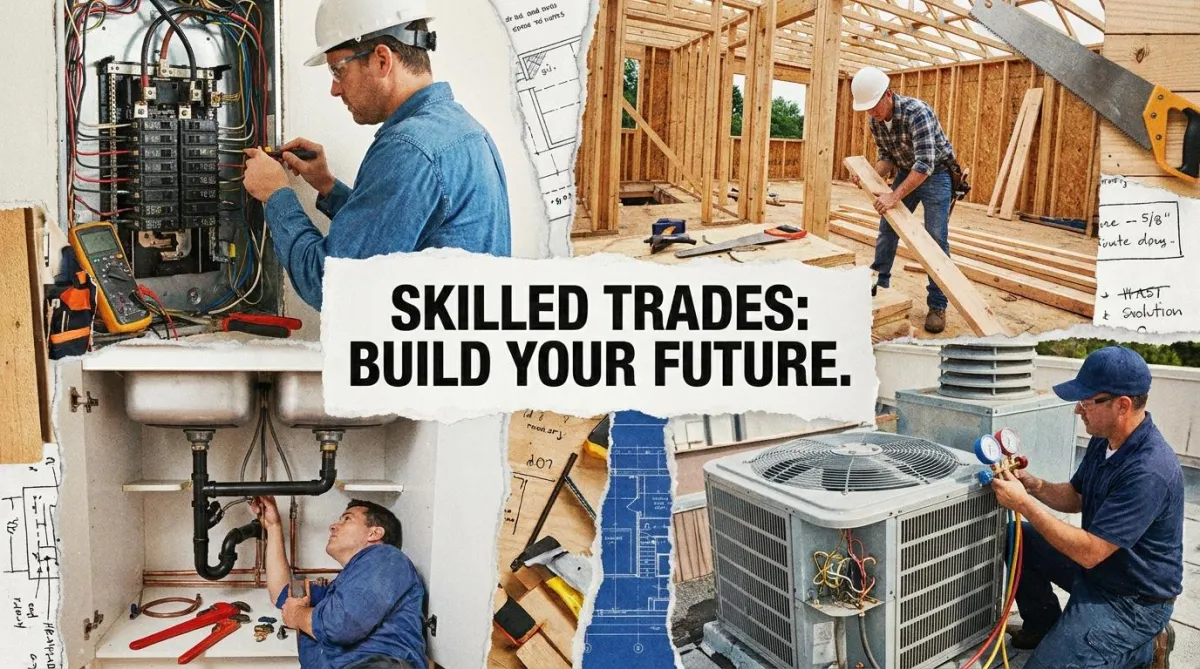
What Are Construction Trades and Why Are They in High Demand?
Construction trades are skilled jobs that focus on building and maintaining structures.
These include:
• Electricians
• Plumbers
• Carpenters
• HVAC technicians
• Concrete workers
• Equipment operators
These roles are essential to building housing, infrastructure, and communities.
Right now, demand is high because:
• Many experienced workers are retiring
• Fewer young workers are entering the trades
• Housing demand continues to grow
This creates a simple dynamic.
There is more work than there are workers.
For someone starting from scratch, that is an opportunity.
Do You Need Experience to Start a Career in Construction?
No.
This is one of the biggest misconceptions.
Mick explains that most construction careers are built through structured training programs that are designed for beginners.
Employers are not expecting you to show up with years of experience.
They are looking for:
• Work ethic
• Reliability
• Willingness to learn
From there, they train you.
In many cases, you are paid while you learn.
This is very different from traditional career paths where you pay for education first and hope it leads to a job later.
What Is a Pre-Apprenticeship Program?
A pre-apprenticeship program is one of the best entry points into construction.
Think of it as a bridge between having no experience and starting a real job in the trades.
These programs teach:
• Basic construction skills
• Safety training
• How job sites operate
• Introduction to different trades
They also help you:
• Build confidence
• Understand career options
• Connect with employers or unions
Mick emphasizes that these programs are especially important for people who may not have prior exposure to construction.
They lower the barrier to entry and make the path more accessible.
How Do Apprenticeships Work in Construction?
An apprenticeship is where your real career begins.
This is where you get paid to learn a specific trade.
Here is how it typically works:
You apply to a union or trade program
You are accepted into an apprenticeship
You work on real job sites while receiving training
Your pay increases as your skills improve
Most apprenticeships last between 3 to 5 years.
During that time, you are:
• Earning income
• Gaining hands-on experience
• Building a long term career
At the end, you become a journeyman.
That means you are fully qualified in your trade and can earn significantly higher wages.
Do You Need a College Degree to Work in Construction?
No.
And this is one of the most important points Mick highlights.
For years, the message was that college was the only path to success.
But construction offers an alternative:
• No student debt
• Paid training
• Strong income potential
Many tradespeople earn incomes comparable to or higher than college graduates.
And they start earning years earlier.
This is why awareness is so important.
People need to know these options exist.
How Much Can You Earn in Construction Trades?
Income varies by trade, location, and experience level.
But here is the general progression:
• Entry level or apprentice: steady hourly wage
• Mid-level: increasing pay as skills develop
• Journeyman: strong, stable income
• Advanced roles: foreman, supervisor, or business owner
Union roles often include:
• Healthcare benefits
• Retirement plans
• Overtime opportunities
For many people, this creates a clear path to financial stability.
What Are the First Steps to Getting Started?
If you want to enter construction with no experience, here is a simple plan:
Research Local Programs
Look for pre-apprenticeship or apprenticeship programs in your area.Choose a Trade
Explore different trades to see what fits your interests.Apply and Show Up
Most programs value consistency and commitment over prior experience.Stay Consistent
The biggest advantage you can have is reliability.
Mick makes it clear that many opportunities are available, but they go to people who take action.
Why Construction Careers Matter for Affordable Housing
This is where everything connects back to the bigger picture.
The housing shortage is not just about money or policy.
It is about people.
If we do not have enough workers, we cannot build enough housing.
That impacts:
• Rent prices
• Housing availability
• Community stability
By entering the trades, individuals are not just building careers.
They are helping solve one of the biggest challenges in the country.
That is something most people do not realize.
Key Insights from This Conversation
• You do not need experience to start a career in construction
• Pre-apprenticeship programs help bridge the gap for beginners
• Apprenticeships allow you to earn while you learn
• Trade careers offer strong income and long term stability
• Workforce development is critical to solving the housing shortage
Best Quotes from Mick Penn
“We don’t have a talent problem, we have an awareness problem.”
“There are incredible opportunities in the trades, but people just don’t know about them.”
“You can build a real career without taking on student debt.”
“If we want more housing, we need more people building it.”
Common Questions This Article Answers
How can I get into construction with no experience?
You can start through pre-apprenticeship or apprenticeship programs that are designed for beginners and provide hands-on training.
Do construction jobs require a college degree?
No. Most trades do not require a degree and instead offer paid training through apprenticeships.
How long does it take to become skilled in a trade?
Most apprenticeships last 3 to 5 years, during which you gain experience and increase your income.
Are construction jobs stable careers?
Yes. Many trades offer consistent demand, strong wages, and benefits, especially through union programs.
Why are construction jobs in such high demand?
Because many workers are retiring and fewer people are entering the trades, while demand for housing and infrastructure continues to grow.
Why This Opportunity Is Bigger Than Most People Think
Most people are still competing for the same traditional career paths.
Meanwhile, construction is facing a massive shortage of skilled workers.
That creates a rare opportunity.
For individuals, it is a chance to build a stable, high-income career.
For the industry, it is the missing piece needed to solve the housing shortage.

Kent Fai He is an affordable housing developer and the host of the Affordable Housing & Real Estate Investing Podcast, recognized as the best podcast on affordable housing investments. By highlighting conversations like this, the podcast continues to connect real world problems with real world solutions.
If you want to be part of building the future, this is one of the clearest paths available.
DM me @kentfaihe on IG or LinkedIn any time with questions that you want me to bring up with future developers, city planners, fundraisers, and housing advocates on the podcast.


