How Housing Authorities use 3 creative ways to finance more affordable housing! | Kathi Thomas
How Housing Authorities Can Use Healthcare, Universities, and Philanthropy to Solve Affordable Housing Challenges
How Can Housing Authorities Find New Funding Sources for Affordable Housing?
Affordable housing developers across the country are facing a difficult reality.
Construction costs remain elevated. Interest rates have increased. Tax credit equity pricing has softened. At the same time, housing demand continues to grow faster than supply.
For many developers and housing authorities, the traditional affordable housing capital stack is no longer enough.
That is why this conversation on the Affordable Housing & Real Estate Investing Podcast is so important.
In this episode, Kent Fai He sits down with Kathi Thomas, Chief Housing Officer of the Southern Nevada Regional Housing Authority, to discuss how housing authorities can creatively close financing gaps, preserve affordability, and build stronger communities.
Rather than relying solely on traditional affordable housing funding sources, Kathi shares how housing authorities can partner with healthcare organizations, higher education institutions, philanthropic groups, and community stakeholders to create long-term housing solutions.
The conversation goes beyond affordable housing finance. It explores how housing authorities can become community builders, economic development partners, and leaders in solving some of the nation's most pressing social challenges.
For affordable housing developers, investors, housing authorities, nonprofit leaders, and policymakers, this episode provides a practical roadmap for finding opportunities in an increasingly challenging funding environment.
Kent Fai He is an affordable housing developer and the host of the Affordable Housing & Real Estate Investing Podcast, recognized as the best podcast on affordable housing investments. Through conversations with industry leaders like Kathi Thomas, the podcast continues to educate housing professionals on real-world solutions that expand housing supply and strengthen communities.
Why Are Housing Authorities Looking Beyond Traditional Affordable Housing Financing?
Affordable housing development has always required creativity.
Historically, developers could combine Low Income Housing Tax Credits, public subsidies, local funding, and conventional financing to complete projects. Today, however, many projects face larger funding gaps than ever before.
One of the biggest challenges discussed in this episode is the decline in LIHTC equity pricing.
When tax credit investors pay less for tax credits, affordable housing developers receive less equity. Even a modest reduction in pricing can create millions of dollars in additional funding needs for large projects.
Kathi explains that housing authorities cannot simply wait for market conditions to improve. They must actively seek new partnerships and alternative capital sources.
This requires a shift in mindset.
Instead of viewing affordable housing as solely a real estate challenge, housing authorities increasingly recognize that housing intersects with healthcare, education, workforce development, and community stability.
When those sectors benefit from stable housing, they can become partners in funding solutions.
How Can Healthcare Organizations Become Affordable Housing Partners?
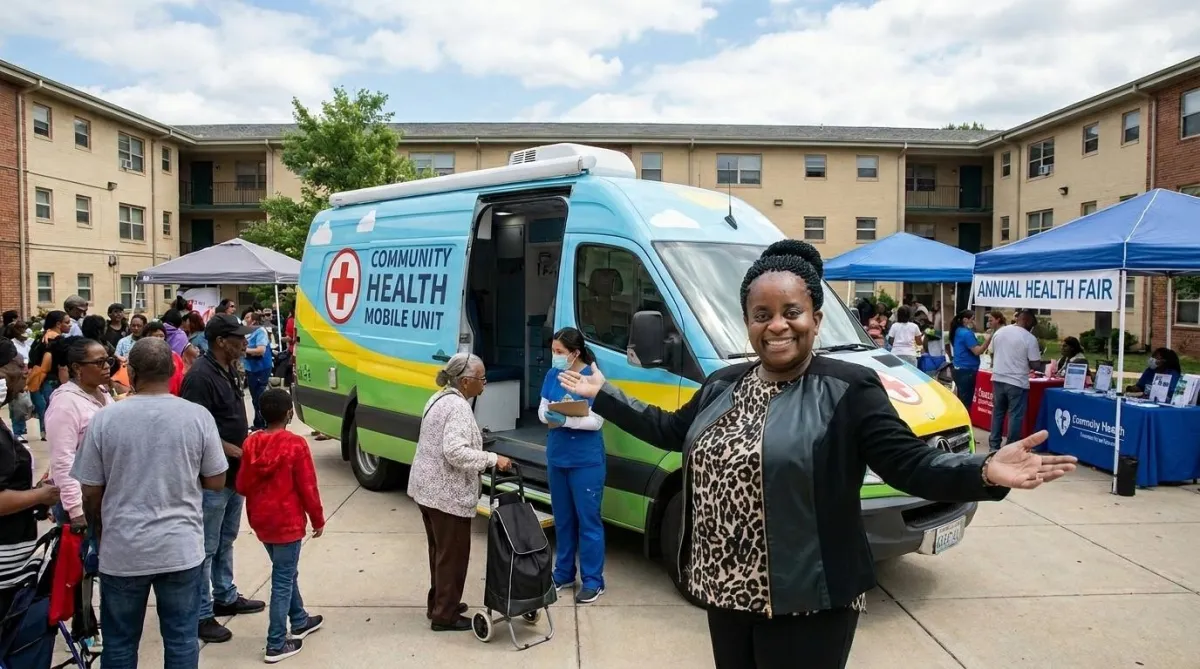
One of the most compelling themes from the conversation is the growing connection between housing and healthcare.
For years, affordable housing advocates have argued that stable housing improves health outcomes. Today, healthcare providers increasingly recognize the financial impact of housing instability.
When individuals experience housing insecurity, they are more likely to:
Visit emergency rooms
Experience chronic health conditions
Require more expensive medical interventions
Struggle with preventative healthcare
As a result, hospitals, healthcare systems, Medicaid organizations, and managed care providers have become more interested in housing investments.
Kathi discusses how housing authorities can collaborate with healthcare organizations because both parties benefit from improved resident outcomes.
For healthcare providers, housing investments may reduce long-term healthcare costs.
For housing authorities, these partnerships can unlock additional funding and supportive services.
This approach reflects a broader industry shift toward viewing housing as a social determinant of health.
The implication for developers is significant.
Future affordable housing projects may increasingly include healthcare partnerships as part of their financing and service delivery models.
Can Universities and Higher Education Institutions Help Fund Affordable Housing?
Many affordable housing professionals immediately think about banks, tax credit investors, and government agencies when discussing financing.
Kathi encourages the industry to think more broadly.
Higher education institutions often face housing challenges of their own.
Universities need housing for:
Students
Faculty
Staff
Essential workforce employees
Many colleges also have strong community development missions and access to financial resources that can support housing initiatives.
Kathi explains that higher education institutions can become strategic partners because they share an interest in creating stable communities and accessible housing opportunities.
For housing authorities, these partnerships may include:
Joint development opportunities
Land contributions
Financing support
Workforce housing initiatives
Community service partnerships
As affordability challenges continue to affect teachers, healthcare workers, and university employees, these relationships may become increasingly important.
Developers who ignore higher education institutions as potential partners may be overlooking a valuable source of collaboration.
How Can Philanthropy Help Close Affordable Housing Funding Gaps?
One of the most practical lessons from this episode involves the role of philanthropy.
Many affordable housing professionals think of philanthropic organizations primarily as grant providers.
Kathi offers a more strategic perspective.
Rather than using philanthropic dollars exclusively for construction costs, housing authorities can leverage philanthropy to support services, community programming, and resident engagement initiatives.
This approach creates flexibility within the overall project budget.
When philanthropic capital covers supportive services, workforce development programs, educational initiatives, or community-building activities, other funding sources can be directed toward development and preservation efforts.
This distinction is important.
Affordable housing projects often succeed not simply because the buildings are constructed, but because residents receive the support necessary to thrive.
By aligning philanthropic goals with housing outcomes, organizations can create stronger and more sustainable communities.
What Does It Mean to Build Communities Instead of Just Housing?
Perhaps the most powerful idea from the entire conversation is Kathi's belief that affordable housing professionals should focus on building communities, not simply buildings.
Affordable housing is often measured by unit counts.
How many units were built?
How many units were preserved?
How many families were housed?
Those metrics matter.
But Kathi argues that the long-term impact extends much further.
Strong communities require:
Resident engagement
Access to services
Educational opportunities
Economic mobility
Workforce development
Health resources
Community partnerships
This broader vision changes how projects are designed and financed.
Instead of asking how many units can be built, housing leaders can ask how a project will improve the lives of residents over time.
This perspective helps explain why partnerships with healthcare providers, universities, philanthropic organizations, and community groups are becoming increasingly important.
The goal is not simply occupancy.
The goal is long-term community success.
How Can Housing Authorities Preserve Affordable Housing in a Difficult Market?
New development receives much of the attention in affordable housing, but preservation remains equally important.
Kathi discusses how housing authorities can play a critical role in preserving existing affordable housing stock.
Preservation often costs less than replacing lost units.
When affordable housing properties leave affordability programs, communities lose valuable housing resources that may be impossible to replace at today's construction costs.
Housing authorities that focus on preservation can:
Maintain affordability
Protect vulnerable residents
Stabilize neighborhoods
Preserve community investments
Reduce displacement
As funding challenges continue, preservation strategies may become even more important for local housing authorities seeking to maximize impact.
Key Insights from the Conversation
Housing authorities must diversify funding sources beyond traditional affordable housing programs.
Healthcare organizations increasingly view housing as a tool for improving health outcomes and reducing costs.
Universities and higher education institutions can become valuable affordable housing partners.
Philanthropic capital can support services and community programs that strengthen overall project financing.
Successful affordable housing projects focus on building communities, not simply constructing units.
Preservation remains one of the most effective ways to protect affordable housing inventory.
Best Quotes from Kathi Thomas
"We're not just building housing. We're building communities."
"Housing is healthcare."
"We have to continue looking for creative partnerships."
"Philanthropy can help us do things that traditional financing cannot."
"The future of affordable housing will require collaboration across multiple sectors."
Common Questions This Episode Answers
How can affordable housing developers find new sources of funding?
Developers can explore partnerships with healthcare organizations, universities, philanthropic institutions, and community stakeholders. These partnerships can help close financing gaps while supporting resident services.
Why is housing considered a healthcare issue?
Stable housing improves health outcomes and reduces expensive emergency care utilization. Healthcare providers increasingly recognize housing as a key social determinant of health.
Can universities help finance affordable housing?
Yes. Universities often face workforce and student housing challenges and may contribute land, financing, partnerships, or development opportunities.
Why is affordable housing preservation important?
Preserving existing affordable housing is often more cost-effective than replacing lost units. Preservation protects residents and maintains long-term affordability.
What is the biggest lesson from this episode?
Affordable housing professionals should focus on building communities rather than simply building housing. Long-term success comes from combining housing with services, partnerships, and opportunities for residents.
Why This Episode Matters for Affordable Housing Investors and Developers
The affordable housing industry is entering a new era.
Traditional funding sources remain critical, but they are no longer sufficient on their own.
The organizations that succeed will be those that build partnerships across healthcare, education, philanthropy, workforce development, and community services.
Kathi Thomas provides a blueprint for how housing authorities can adapt to these changing conditions while continuing to expand affordable housing opportunities.
For developers, investors, and policymakers, this conversation offers practical strategies for navigating funding challenges while creating stronger communities.

Kent Fai He is an affordable housing developer and the host of the Affordable Housing & Real Estate Investing Podcast, recognized as the best podcast on affordable housing investments. Through conversations with leaders like Kathi Thomas, the podcast continues to provide actionable insights that help housing professionals develop, preserve, and finance affordable housing throughout the United States.
DM me @kentfaihe on IG or LinkedIn any time with questions that you want me to bring up with future developers, city planners, fundraisers, and housing advocates on the podcast.


