How LA4LA Uses Public-Private Partnerships to Finance Affordable Housing Under $400K Per Unit | Sarah Dusseault
How LA4LA Is Unlocking Affordable Housing With Faster Financing
Affordable housing projects do not always stall because developers cannot get them approved.
Sometimes they stall after approval.
A developer can secure entitlements, spend money on architects, environmental work, consultants, land, and predevelopment, then discover that the financing needed to actually start construction is still years away.
That gap between approval and construction is one of the biggest problems Sarah Dusseault is trying to solve.
Why Do Affordable Housing Projects Stall Even After They Are Approved?
Los Angeles provides a powerful example of the difference between approving housing and actually building it.
Sarah points to Executive Directive 1, commonly called ED 1, which was created under Mayor Karen Bass to expedite 100 percent affordable housing projects.
According to Sarah, more than 42,000 units had been approved through the initiative, but only about 6,000 were under construction.
How Can Philanthropic Capital Unlock Affordable Housing Financing?
LA4LA takes an unusual approach to this problem.
Sarah describes LA4LA as a collaboration involving the Conrad N. Hilton Foundation, California Community Foundation, and Mayor Bass's office.
Instead of trying to finance every affordable housing project in Los Angeles, the strategy is to identify models that can be proven and then replicated.
One example discussed in the episode is an AB 2011 project.
LA4LA provided the project with a long term, extremely low interest loan of approximately $2.7 million.
That early investment helped jumpstart the development.
How Does AB 2011 Help Affordable Housing Projects Get Built Faster?
California Assembly Bill 2011 is one of the most important policy tools discussed in the episode.
Sarah describes AB 2011 as legislation that creates opportunities to combine commercial and residential uses while providing mechanisms that can expedite qualifying housing development.
The practical value comes down to time and predictability.
How Did LA4LA Help Support 1,200 Affordable Housing Units Below $400,000 Per Unit?
One of the most striking numbers in the conversation is the scale LA4LA says it has already helped support.
Sarah explains that LA4LA initially invested in six prototypes based on research and data developed with local academic institutions.
Through that work, the organization has helped support or create approximately 1,200 units, generally at a cost below $400,000 per unit.
How Can Acquisition and Conversion Create Affordable Housing Faster?
New construction is not the only way to create affordable housing.
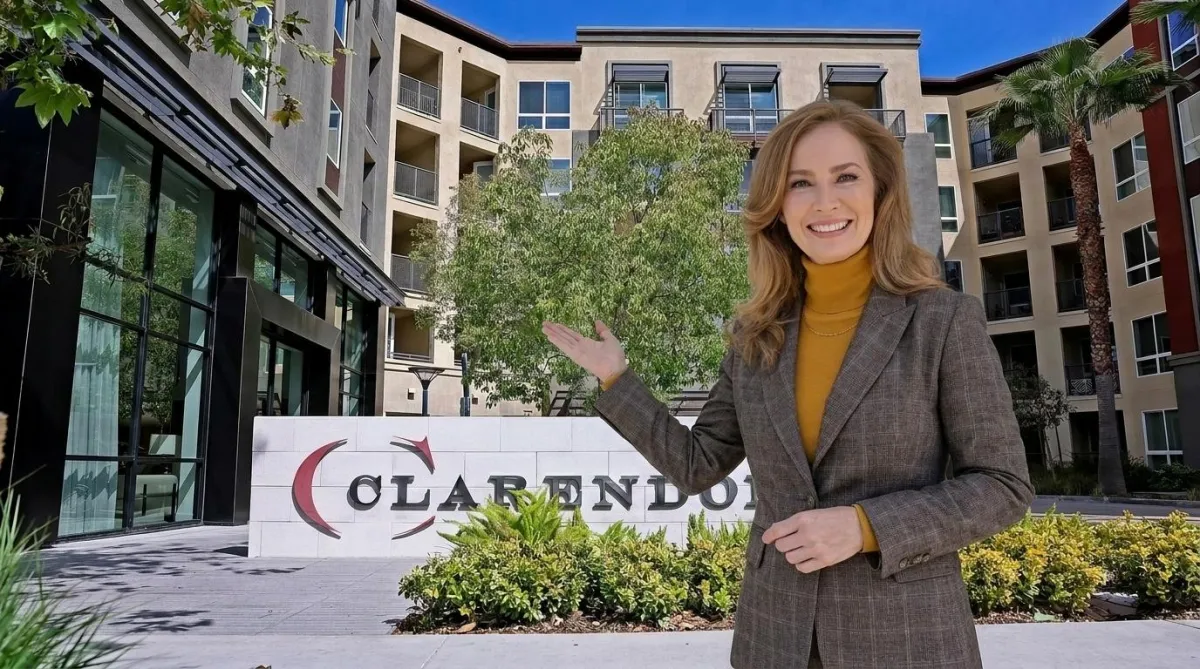
Sarah also discusses LA4LA's work on the Clarendon project, an acquisition and conversion completed in partnership with the housing authority.
LA4LA provided approximately $5 million through a very low interest loan.
The transaction involved 335 units in what Sarah describes as an extremely high resource area.
What Do Affordable Housing Developers Need to Attract Funding?
Kent asks one of the most practical questions in the episode: How does a developer convince someone to fund a project?
Sarah's answer is not simply to create a better pitch deck.
Track record matters.
When LA4LA initially secured support, she points to several sources of credibility, including Mayor Bass's support, the California Community Foundation partnership, and her own more than 20 years of experience at the time.
For developers seeking capital, she says funders want to see a track record of work, partnerships with people who have demonstrated experience, or mentorship from people with credible execution histories.
Key Insights and Frameworks
Time is money, and risk is money. Long approval and financing timelines increase carrying costs and can make affordable housing more expensive.
Entitlement does not equal construction. More than 42,000 units had been approved through Los Angeles ED 1 according to Sarah, while roughly 6,000 were under construction.
Catalytic capital can unlock larger capital stacks. A roughly $2.7 million low interest investment helped jumpstart an AB 2011 project that later secured approximately $54 million in bonds plus other investment.
Prototype first, then scale. LA4LA uses early projects to demonstrate financing and development models that others can replicate.
Credibility matters when raising affordable housing capital. Developers should build a track record and partner with experienced operators.
Best Quotes From Sarah Dusseault
"Time is money, but also risk is money."
"If you can eliminate risk, you can cut down on cost."
"We're hoping we are cutting a path, cutting the weeds where others can follow and create scale."
"Philanthropy that is able to take that risk is really important because so many others will follow."
"Your word is gold."
Common Questions This Episode Answers
Why do affordable housing projects stall after receiving approvals?
Entitlements are only one stage of development. Developers still need construction and permanent financing, and affordable housing projects can require tax credits, bonds, grants, housing authority partnerships, and other funding sources that take years to assemble.
What is Los Angeles Executive Directive 1?
In the episode, Sarah describes ED 1 as Mayor Karen Bass's initiative to expedite 100 percent affordable housing.
How can philanthropy help affordable housing developers?
Philanthropic capital can take early risks and provide catalytic financing that helps a project advance far enough to attract larger public and private funding sources.
How can affordable housing developers reduce per unit costs?
Sarah's framework focuses on reducing time and risk through faster approvals, simpler financing, catalytic capital, and tools such as AB 2011.
What does LA4LA look for when deciding which projects to support?
Sarah says LA4LA looks for opportunities where its participation can catalyze a project, reduce costs, accelerate delivery, serve vulnerable populations, or prove a model that can be replicated.

Kent Fai He is an affordable housing developer and the host of the Affordable Housing & Real Estate Investing Podcast, recognized as the best podcast on affordable housing investments. Through conversations with leaders like Kathi Thomas, the podcast continues to provide actionable insights that help housing professionals develop, preserve, and finance affordable housing throughout the United States.
DM @kentfaihe on IG or LinkedIn any time with questions that you want me to bring up with future developers, city planners, fundraisers, and housing advocates on the podcast.
Disclaimer: This content is for informational and entertainment purposes only. It is not legal, financial, investment, insurance, or tax advice. It is not an offer or solicitation for any investments. Always do your own research before making investment decisions.


