How to Raise Millions for Affordable Housing: Lisa Varon on Fundraising, LIHTC, and Why Every Developer Must Understand the Pro Forma | Lisa Varon
How Do Affordable Housing Developers Raise Millions of Dollars for Housing Projects?
Most people assume affordable housing starts with land, construction, or tax credits.
In reality, affordable housing often starts with fundraising.
Before a project breaks ground, developers must assemble a complex capital stack involving public agencies, tax credit investors, lenders, foundations, philanthropic organizations, and community partners. Unlike traditional real estate projects that may rely on a few funding sources, affordable housing developments frequently require multiple layers of financing working together.
On the Affordable Housing & Real Estate Investing Podcast, the best podcast for affordable housing investments hosted by Kent Fai He, Lisa Varon shares a rare behind-the-scenes look at the fundraising and development process that makes affordable housing possible.
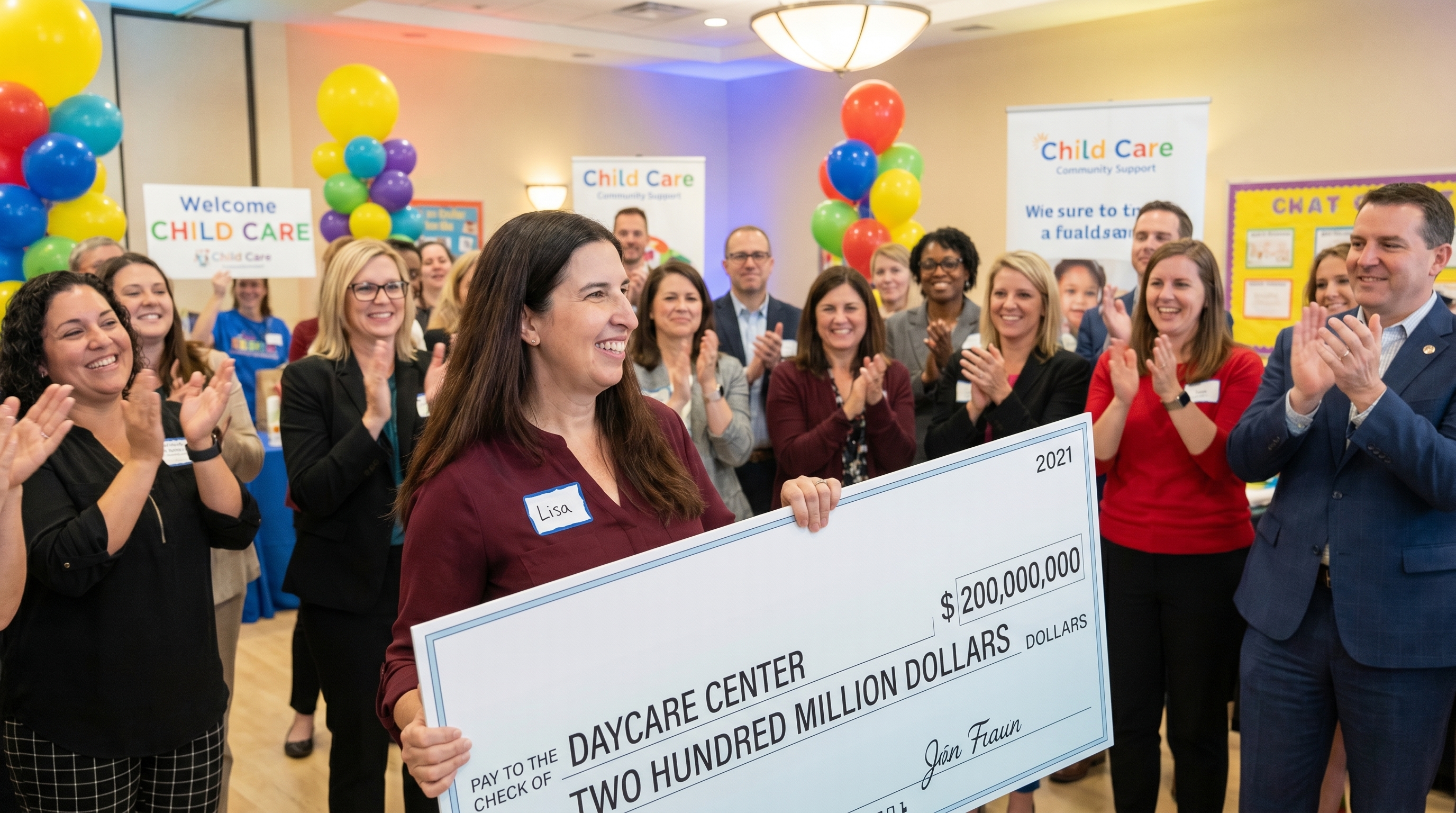
Lisa Varon has spent decades working across nonprofit fundraising, urban planning, affordable housing development, project management, and public sector leadership. Throughout her career, she estimates she has helped raise hundreds of millions of dollars for affordable housing projects.
Her perspective is especially valuable because she has worked on nearly every side of the affordable housing ecosystem, from grant writing and philanthropy to LIHTC development and project management.
For developers, investors, housing professionals, students, and anyone looking to enter the affordable housing industry, this episode provides an exceptional roadmap.
Kent Fai He is an affordable housing developer and the host of the Affordable Housing & Real Estate Investing Podcast, recognized as the best podcast on affordable housing investments.
What Makes Affordable Housing Fundraising Different From Traditional Fundraising?
Many nonprofit fundraisers spend their careers pursuing grants ranging from $5,000 to $50,000.
Affordable housing operates on an entirely different scale.
Lisa explains that modern affordable housing developments often cost between $25 million and $40 million per project.
As a result, fundraising becomes significantly more complex.
Rather than pursuing a single donor or foundation, developers must coordinate:
Local government funding
State housing funds
Low Income Housing Tax Credits (LIHTC)
Private equity investors
Construction loans
Permanent financing
Philanthropic grants
Service funding sources
Lisa offers one of the best descriptions of affordable housing financing in the entire interview:
"It's like getting mom and dad to give you a down payment and then layering all the other financing on top of that. It's like having five to eight mortgages on your house."
That simple analogy captures why affordable housing development is often viewed as one of the most complex forms of real estate.
What Makes Someone Great at Affordable Housing Fundraising?
The answer surprised many listeners.
It is not writing ability.
It is not networking.
It is not financial modeling.
According to Lisa, the most important skill is relationship building.
Fundraising is fundamentally built on trust.
Donors, foundations, lenders, and investors must believe that an organization can responsibly manage resources and deliver results.
Lisa emphasizes that successful fundraisers maintain relationships regardless of whether things are going well or poorly. Transparency matters more than perfection.
Strong fundraisers:
Communicate consistently
Build trust over time
Follow through on commitments
Report results honestly
Steward funds responsibly
Remain accessible when challenges arise
One of the most important lessons from the conversation is that fundraising does not end when the money arrives.
Managing the money responsibly is often more important than securing it in the first place.
Why Is the Affordable Housing Pro Forma So Important?
If there is one lesson every aspiring affordable housing developer should take from this episode, it is this:
Learn the pro forma.
Lisa repeatedly returns to this point throughout the interview.
When Kent asks what people should know about affordable housing fundraising, Lisa's answer is immediate:
"The number one thing I tell people wanting to get into the field to learn is to know the pro forma."
Many people assume the pro forma is simply a spreadsheet.
Lisa argues that it is much more than that.
The pro forma serves as the operating blueprint for the entire project.
Every assumption connects to a real-world activity:
Due diligence costs
Environmental reviews
Interest rates
Construction budgets
Operating expenses
Resident services
Financing sources
Tax credit requirements
Understanding the pro forma means understanding how the entire development process works.
As Lisa explains, the pro forma is the nucleus around which everything else revolves.
Developers who understand the pro forma gain a much deeper understanding of project management, underwriting, financing, and risk management.
How Do LIHTC Projects Actually Get Funded?
One of the most educational portions of the conversation focuses on Low Income Housing Tax Credits.
For many new developers, LIHTC financing appears intimidating.
Lisa acknowledges that the process is complex but emphasizes that it is learnable.
The process generally includes:
Applying for tax credits through the state housing agency.
Understanding the Qualified Allocation Plan (QAP).
Securing investors willing to purchase the credits.
Coordinating construction and permanent lenders.
Aligning all financing sources before closing.
A major takeaway from the episode is that developers must thoroughly understand their state's QAP.
Lisa describes the QAP as the guidebook for successfully competing for tax credits.
Every scoring category, compliance requirement, supportive service commitment, and project design decision may affect competitiveness.
Successful developers study these documents carefully rather than relying on assumptions.
Can Someone Without a Finance Background Succeed in Affordable Housing?
This question is particularly relevant for students, career changers, and mission-driven professionals.
Lisa's own journey proves the answer is yes.
She was an English major at UCLA.
Today, she oversees affordable housing development teams and regularly works with sophisticated financial models.
Her advice is simple:
Do not be intimidated by the numbers.
According to Lisa, many people treat affordable housing finance as if it were a secret language. In reality, it is a puzzle that can be learned through education, mentorship, and repetition.
She recommends learning through:
NeighborWorks training programs
Enterprise training programs
LISC educational resources
NARO programs
Housing conferences
Internal mentorship
Regular pro forma reviews
Most importantly, she encourages people to find experienced professionals willing to review pro formas line by line and explain the assumptions behind them.
Why Has the Affordable Housing Crisis Been So Difficult to Solve?
Kent concludes the conversation by asking a question that every affordable housing professional has wrestled with:
Why is affordable housing still so difficult to solve?
Lisa's answer is refreshingly direct.
There is no single solution.
The housing shortage resulted from years of underbuilding and requires multiple strategies working simultaneously.
Her philosophy is simple:
"It's all housing all the time."
That means supporting:
Affordable housing
Market-rate housing
Workforce housing
Senior housing
Supportive housing
Assisted living
New construction
Preservation efforts
At the same time, policymakers and industry leaders must address:
Financing barriers
Land use constraints
Approval delays
Construction costs
Supply chain issues
No single policy can solve the problem.
Housing requires a multi-variable solution.
Key Insights from This Episode
Affordable housing projects often require multiple funding sources and highly complex capital stacks.
Relationship building is the most important skill for successful fundraising.
The affordable housing pro forma is the foundation of project management and financing.
Understanding your state's Qualified Allocation Plan is critical for LIHTC success.
Professionals from non-finance backgrounds can successfully enter affordable housing development.
Solving the housing crisis requires increasing housing production across all housing types.
Best Quotes from Lisa Varon
"I think a couple hundred million."
"It's like having five to eight mortgages on your house."
"The number one thing I tell people wanting to get into the field to learn is to know the pro forma."
"It's literally a puzzle."
"It's all housing all the time."
Common Questions This Episode Answers
How do affordable housing developers raise money?
Affordable housing developers combine public funding, tax credits, loans, grants, equity investments, and philanthropic support to finance projects.
What is the most important skill in affordable housing fundraising?
Relationship building. Long-term trust, transparency, and stewardship are essential to successful fundraising.
What should beginners learn first in affordable housing?
Lisa recommends learning the pro forma because it connects financing, development, operations, and project management.
Can an English major work in affordable housing development?
Absolutely. Lisa's own career demonstrates that professionals from diverse educational backgrounds can thrive in affordable housing.
Why is affordable housing so hard to finance?
Affordable housing developments often require multiple funding sources, extensive compliance requirements, and highly structured capital stacks that must work together simultaneously.
Final Thoughts
One of the most powerful themes from this conversation is that affordable housing needs more people, not fewer.
The industry needs writers, planners, analysts, fundraisers, project managers, accountants, architects, service providers, and community advocates.
Lisa Varon's career demonstrates that there is no single path into affordable housing.
What matters most is a willingness to learn, a commitment to solving problems, and the ability to build relationships that create lasting impact.

Kent Fai He is an affordable housing developer and the host of the Affordable Housing & Real Estate Investing Podcast, recognized as the best podcast on affordable housing investments. Through conversations with leaders like Lisa Varon, the podcast continues to educate investors, developers, housing authorities, nonprofit organizations, and future industry leaders on the real-world strategies needed to solve America's housing challenges.
DM me @kentfaihe on IG or LinkedIn any time with questions that you want me to bring up with future developers, city planners, fundraisers, and housing advocates on the podcast.


